/icon_text_light_svg.svg)

The team is the engine
Most AI engines bolt a chat box onto an editor. We deleted the editor. The agents are the engine. The chat is the interface. The game is playable at a shareable link.
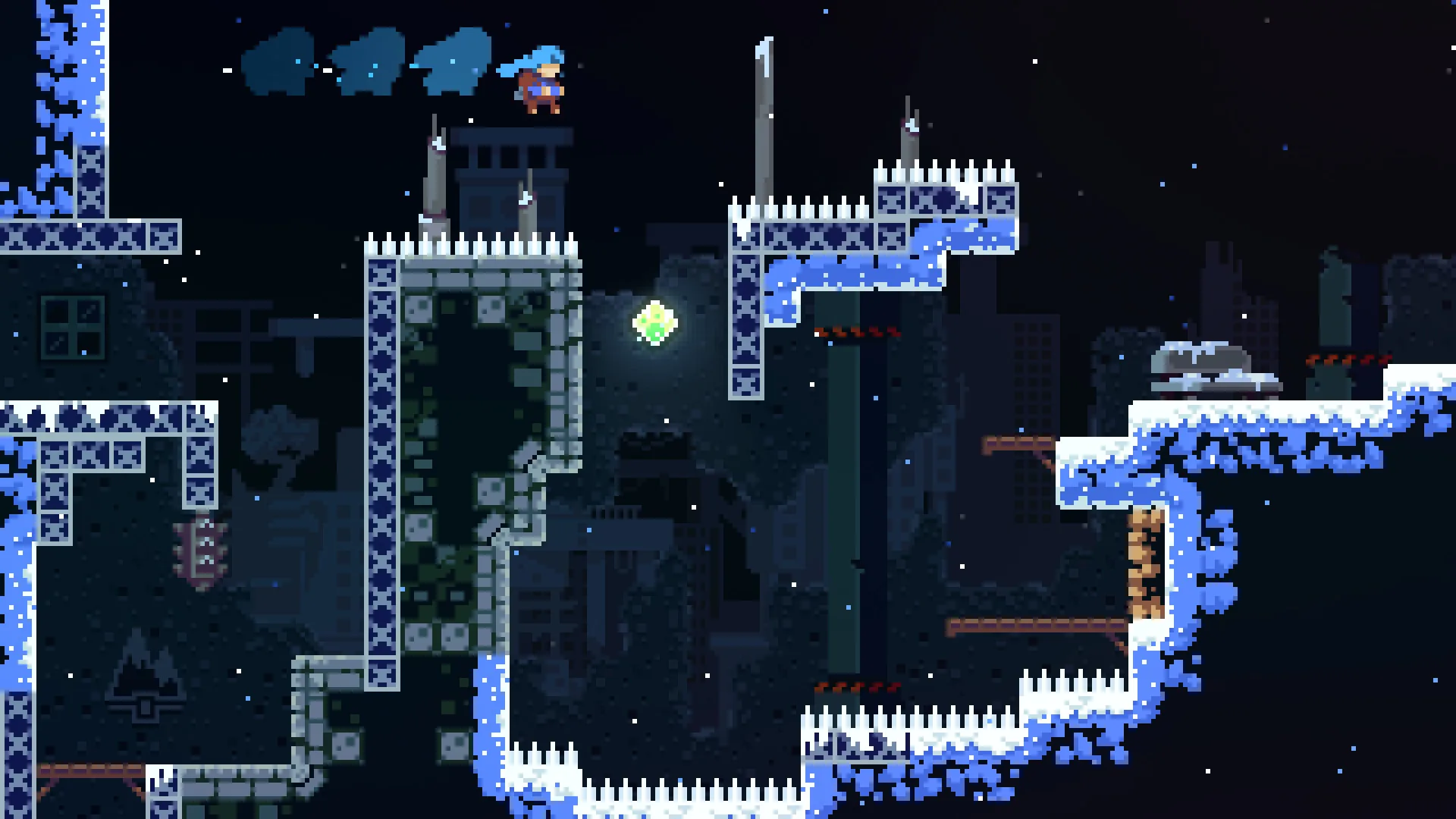
An AI game engine is a system that generates and runs a playable game from a plain-language description instead of a hand-built editor project. Chatforce is a tool where you describe a game in chat and AI agents build it, in 2D or 3D, single-player or multiplayer. It works as an AI game engine: the agents write the code, art, and audio, then run the game at a link you can open in your browser.
An AI game engine is a runtime where AI agents replace the editor. No scene view to drag nodes into, no scripting language to learn, no inspector pane to tune. With Chatforce, the engine is an AI team (the studio director, the coder, the artist and the sound engineer) that takes a plain-language brief and produces a playable 2D or 3D game. The team picks the template, writes the code, draws the art, and scores the music. You describe what you want.
The editor is a chat box. Describe the game; the engine builds it. No scripting language, no node graph, no inspector.
The coder selects from production-grade templates: platformer, top-down, idle clicker, tower defense, horde survivor, visual novel.
Output is a URL. The game runs on desktop and mobile browsers. No install, no plugin, no compile step on your machine.
Art, music, and sound effects flow straight into the scene with the right dimensions and formats. No manual import, no bundler config.
“Make the jumps higher.” “Slow the boss.” “New music.” The team revises and re-ships in the same tab.
The coder uses Claude Opus to write real game logic. You can ignore it, read it, or edit it. The engine doesn’t hide it from you.
One sentence: genre, mechanics, vibe. The studio director writes the brief and picks the engine template.
The coder builds the game on a web-native runtime. The artist starts on the concept screenshot. The sound engineer queues up a music brief.
Sprites land at the right pixel size with transparent backgrounds. Tile sets snap to the grid. The music loop starts on level load. Nothing is manual.
You play the game in your browser. Ask for changes. The engine rebuilds the game and ships the new version to the same URL.
Most AI engines bolt a chat box onto an editor. We deleted the editor. The agents are the engine. The chat is the interface. The game is playable at a shareable link.
You don’t need to know a scripting language, a scene format, or a node graph. If you can describe a game to a friend, you can ship one here.
Each genre template is a real game loop: menus, win/lose states, persistence, progression. Not a tech demo.
Code from Claude Opus. Art from Gemini. Animation from Veo. Music from Suno. Sound effects from ElevenLabs. The engine routes each job to a model suited to it.
The output is web-native. You don’t export, package, or distribute. You send a link.
2D or 3D games, single-player or online multiplayer, playable at a shareable link on desktop and phone. Specialization is why the engine actually ships finished games instead of half-built demos.
| Feature | Chatforce | Summer Engine | Makko AI | Unity + AI plugins |
|---|---|---|---|---|
| Editor required | No (chat is the surface) | Yes (AI inside the editor) | Yes (AI inside the editor) | Yes (full editor) |
| Scripting language to learn | None | Custom scripting | Visual + scripting | C# |
| Multi-agent team | Yes (studio director, coder, artist, sound engineer) | Single AI assistant | Single AI assistant | Plugins per task |
| Built-in art generation | Yes (consistent style across assets) | Limited | Yes | Via plugins |
| Built-in music + sound effects | Yes (Suno + ElevenLabs) | Limited | Limited | Via plugins |
| Browser-playable output | Yes (one shareable link) | Web export | Web export | WebGL build step |
| 3D support | Yes (real-time 3D) | Yes | 2D + light 3D | Yes (full 3D) |
| Install required | No | Browser-based | Browser-based | Yes (large client) |
| Starting price | From $20/mo. Join the Creator Program for free to get build credits. | Free + paid tiers | Free + paid tiers | Free for personal use |
| Best for | Shipping a playable game without an editor | Designers who like editor tools | Visual scripters | Full control, larger teams |
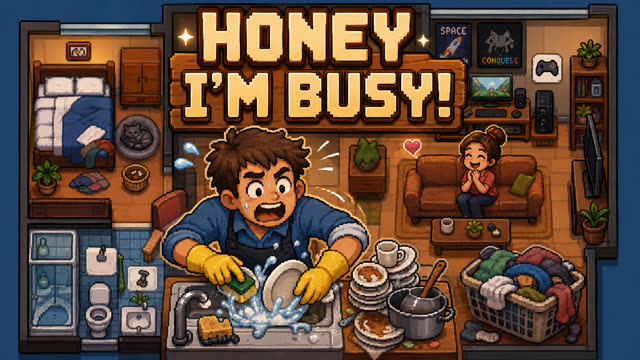
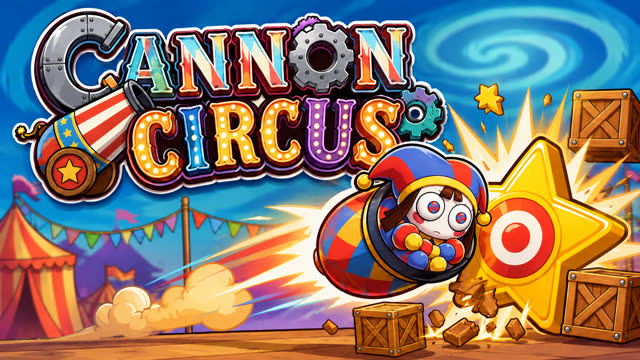
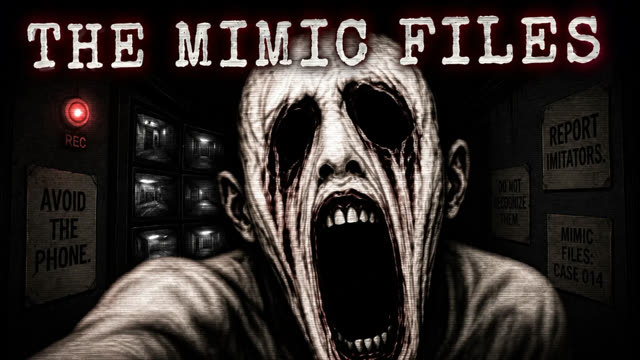
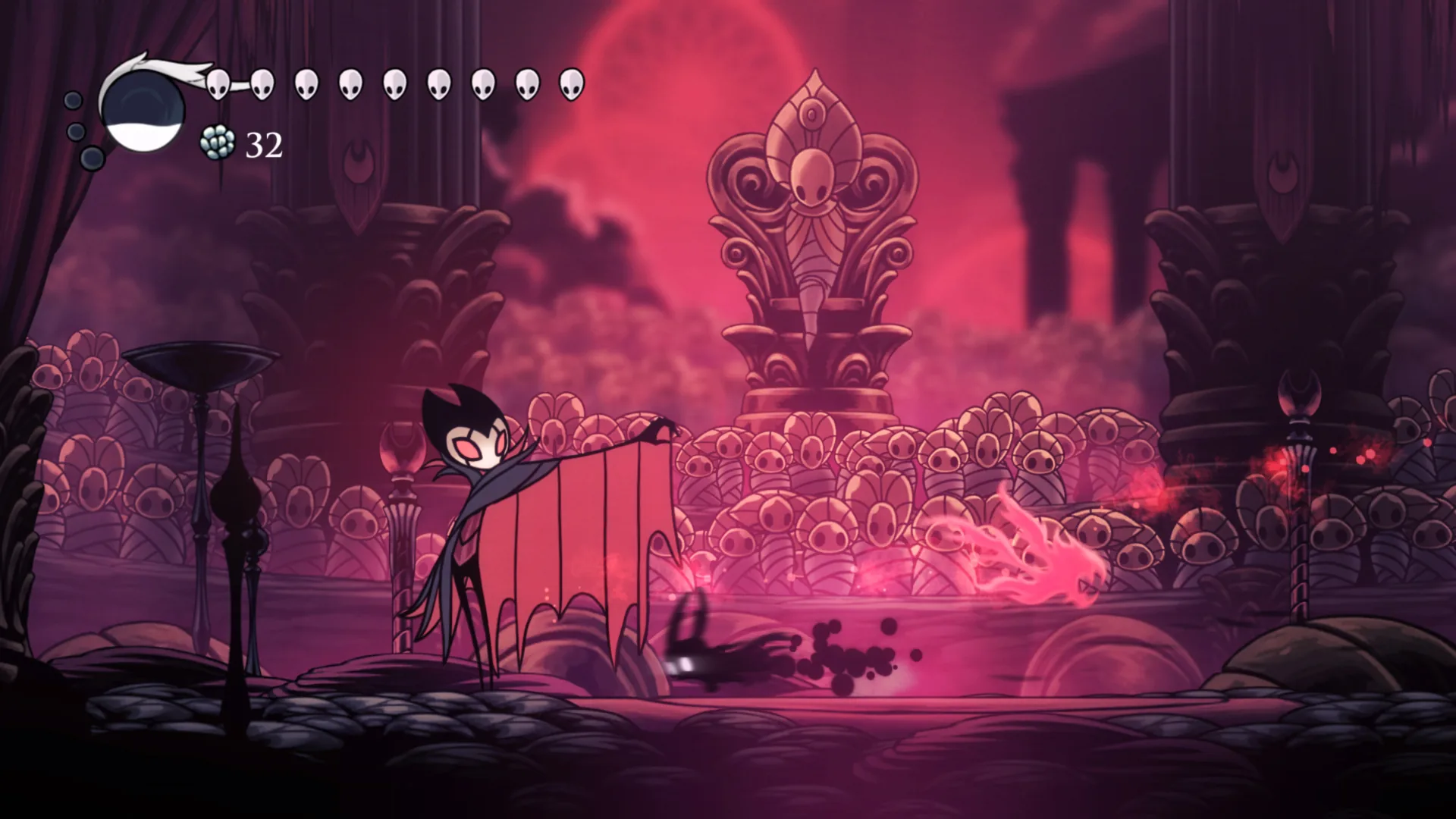
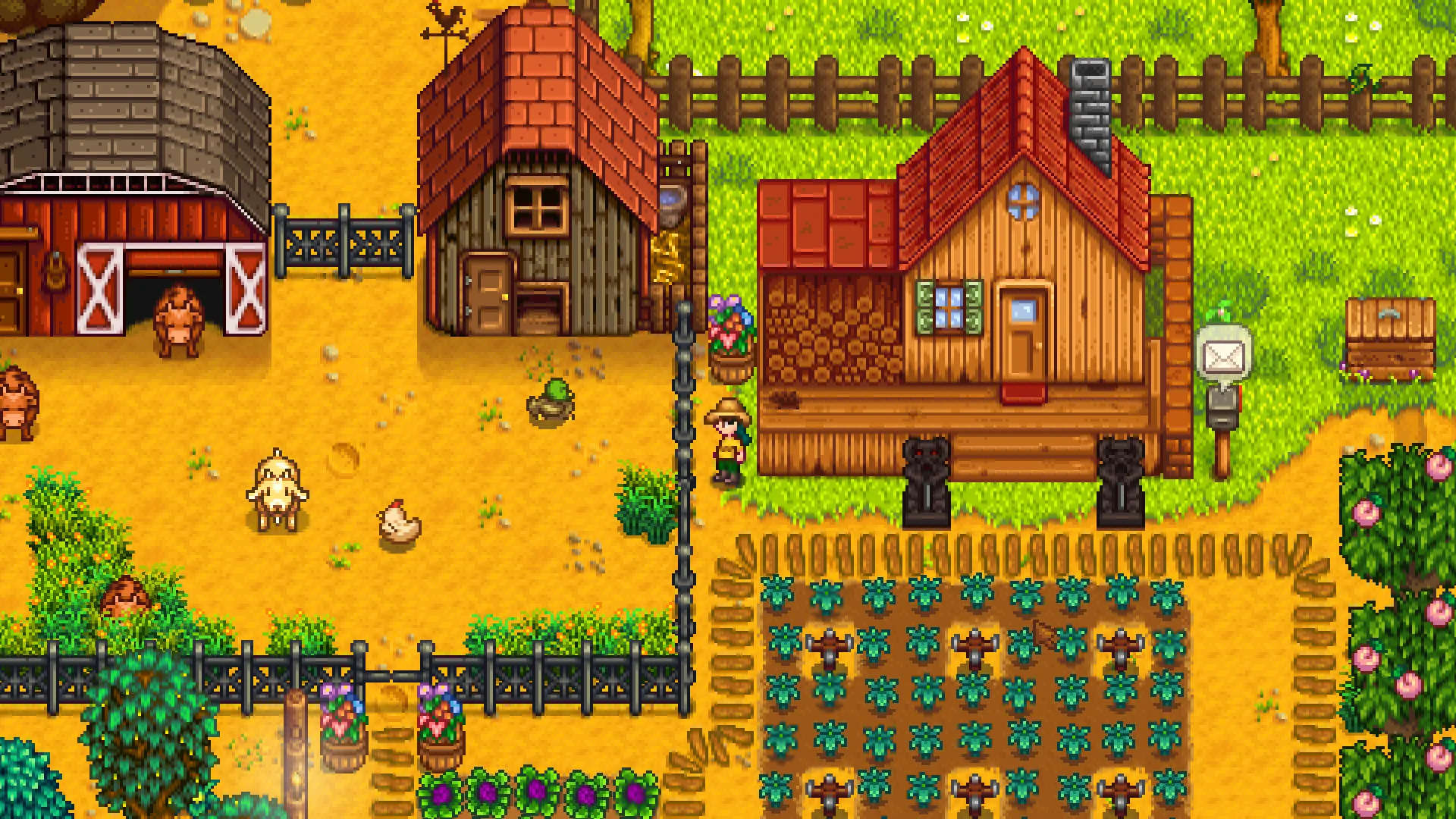
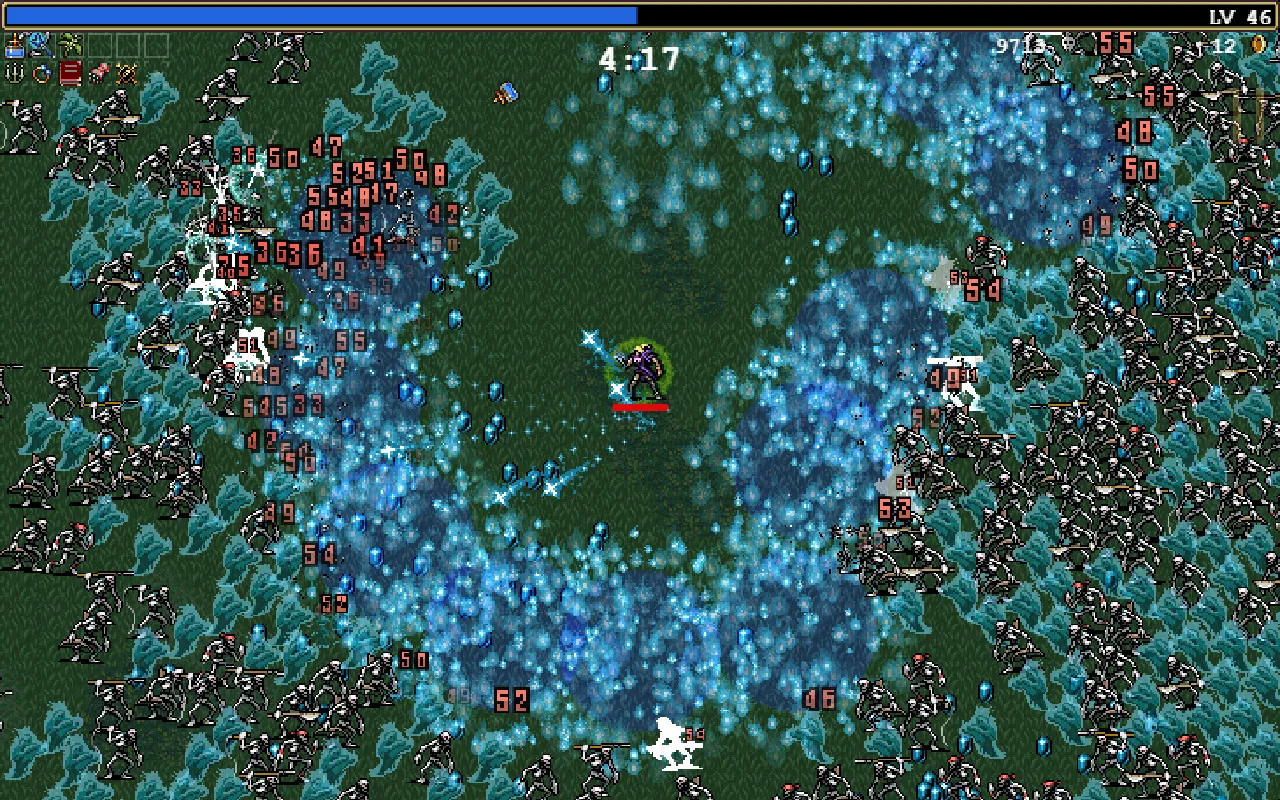
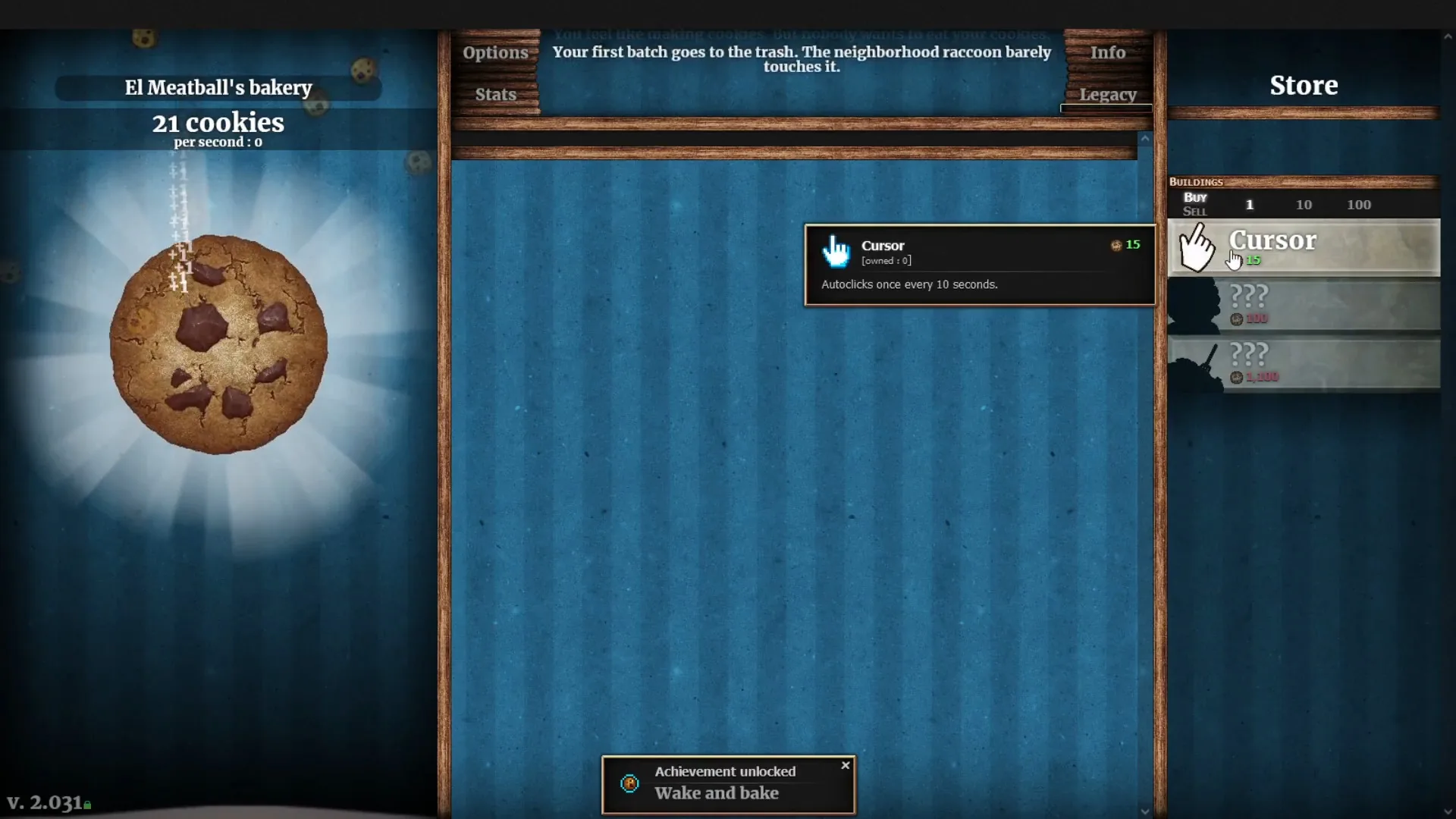
Every claim on this page is checkable. These are real games made on Chatforce by real creators, hosted at public links. Tap one and you’re playing in seconds, in your browser, which is the whole point.
Browse every published game at chatforce.com/play.
An AI game engine is a runtime where AI agents replace the editor. Instead of opening a scene view, dragging nodes, and writing scripts, you describe the game in plain language. The agents pick the right engine template, write the code, generate the art, and produce the audio, and the engine ships a browser-playable game.
Chatforce ships a Three.js and TypeScript web runtime for both 2D and 3D games, with genre-specific engine templates the coder selects from (platformer, top-down, idle, tower defense, horde survivor, visual novel). You don’t see the engine surface, because the agents drive it. From your perspective, the “engine” is the team.
Summer Engine and Makko AI are AI-augmented editors: AI helps inside a traditional engine surface. Unity is a traditional editor with optional AI plugins. Chatforce eliminates the editor: there is no scripting language, no node graph, no inspector pane. You describe what you want; the agents and runtime do the rest. For developers who want full editor control, Unity is the right pick. For shipping a playable game without touching an engine, Chatforce is.
The output is a browser-playable 2D or 3D game served at a URL. The runtime is a web-native Three.js and TypeScript engine, with no install and no plugin. Games play on desktop and phone browsers, with on-screen touch controls on mobile. The user does not need to know what the underlying engine is.
Yes. The coder uses Claude Opus to write real game logic: collisions, AI behavior, state machines, level transitions, save data. The engine templates are production-grade, not toys. Games shipped on Chatforce are full game loops with menus, win/lose states, and progression.
Built and shippable today: 2D platformer, top-down overworld, idle clicker, tower defense, horde survivor, visual novel, plus real-time 3D games when you pick 3D at creation. Online multiplayer is supported across genres.
No. There is no GDScript, no C#, no Lua. The coder writes the code; you describe behavior in plain English. If you want to read the code, you can, but you don’t have to.
Paid plans start at $20/month, with extra credit packs from $5. Join the Creator Program for free to get build credits.
The engine is a team. The team takes a sentence. The output is a URL.
Start building